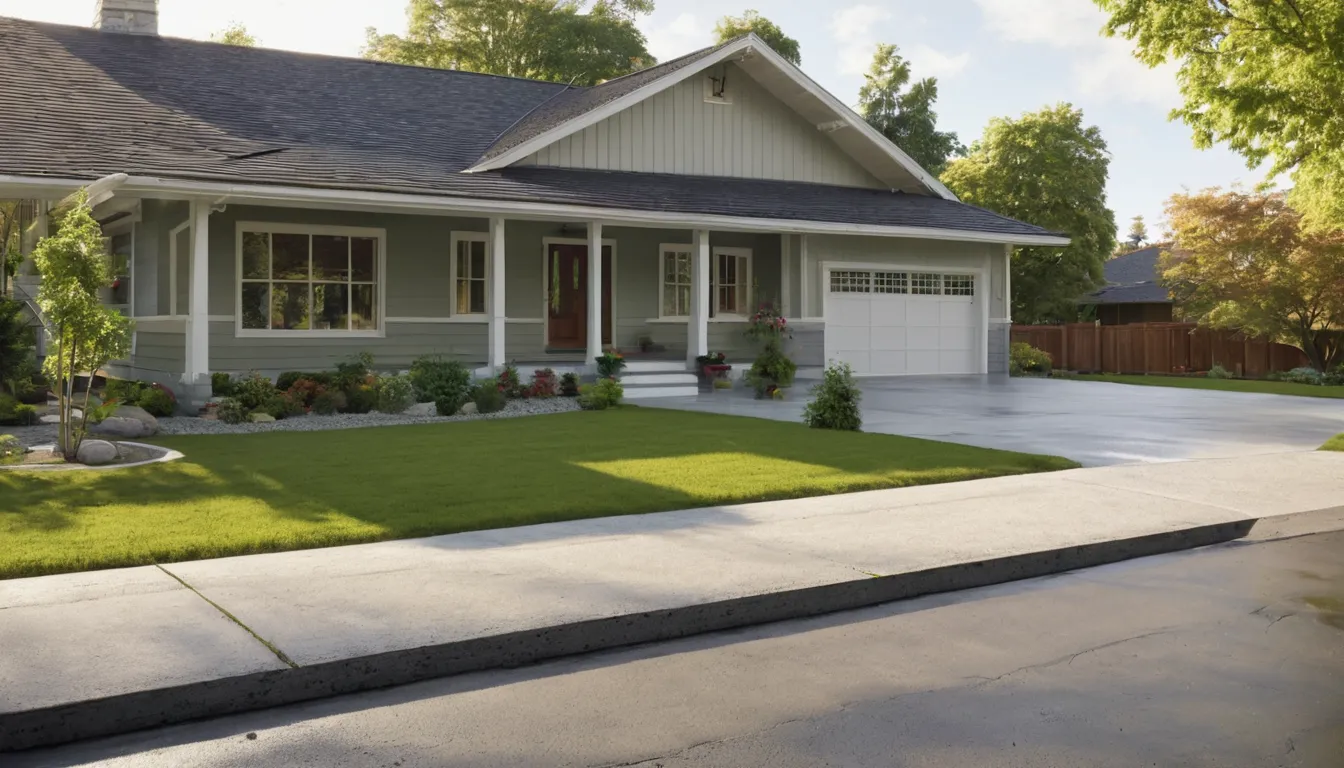
Concrete Driveways for Cuyahoga Falls Homes
Request an estimate to start
A concrete driveway takes daily hits from cars, salt, ice, and storms. When yours cracks, sinks, or pools water, it is hard to know where to start. Start with one step. Look at the damage, take a few photos, and write down what you see.
Sendingcaused Concrete is a referral service. We do not pour concrete. We connect you with independent local providers in our network who handle concrete flatwork. You request an estimate, and a provider reaches out to talk through your project. You compare written quotes at your own pace, with no obligation.
Your driveway just failed. Take a breath.
Maybe a slab cracked in two. Maybe the edge crumbled after a hard winter. Maybe a storm left standing water by the garage. It feels big. It is a project you can break into small pieces.
This page is about new concrete driveways. That means a full replacement or a first-time pour. Plain answers first.
The first hour: five calm steps
- Keep cars and kids off any area that sags, shifts, or sits under water.
- Take wide photos, then close-ups of the worst spots.
- Note what changed and when. Did it follow a storm, a thaw, or a heavy truck?
- Park on the street if the slab looks unsafe. Check local parking rules first.
- Write down your questions for a provider.
Do not rush a decision
A damaged slab is rarely an emergency that needs a rushed fix. You have time to compare quotes. Many providers can respond quickly when you ask, so you can plan without pressure.
Keep the paper trail
Some policies may cover sudden damage, such as a fallen tree. Check your policy. Providers can often help document damage for a claim. Your photos make that easier.
Repair or replace?
Small problems may only need concrete driveway repair. Think of one hairline crack or a chipped edge. A provider can tell you if a patch will hold.
If the damage is spread out, patching often fails. Water gets in. Frost lifts it again. Then a new driveway may cost less over time.
Signs you need a new driveway
- Many cracks wider than a pencil.
- Slabs that sink, tilt, or rock when you step on them.
- Flaking, scaling, or a rough surface that sheds bits of concrete.
- Water that pools instead of running to the street.
- Patches on top of old patches.
- A slab that is 25 or more years old and crumbling.
When the problem is bigger than the slab
Sometimes the driveway is a clue. A crack that runs along the house wall may point to a deeper issue. A slab that drops right next to the foundation can mean soil is washing away. In that case, ask a foundation repair expert to look first. Fix the cause, then pour the new slab.
Full basements and sump pumps are common in our region. Spring melt and heavy rain can push water toward the house. A good driveway slopes away from the walls.
What a new driveway project includes
Most projects follow the same path. A provider measures the space and removes the old slab. Next comes the base. The base is a layer of packed gravel under the concrete. Then forms (wood or metal edges) go up, the concrete is poured, and the surface is finished.
Then the joints are cut. Joints are planned lines that let the slab crack in a neat spot instead of a random one. Ask how each step is handled.
Size, thickness, and finish
A one-car driveway is often about 10 feet wide. A two-car driveway is often 18 to 24 feet. Wider is handy if you park beside the house or want room to open car doors.
A typical home driveway is about 4 inches thick. Heavier trucks or RVs may need 5 or 6 inches, plus steel reinforcement. Reinforcement means rebar or wire mesh inside the slab.
For the finish, a broom finish gives grip in wet weather. Exposed aggregate shows small stones. Color and borders are also options. Pick grip first, looks second.
Built for frost, heat, and storms
Cold winters bring deep frost. Frozen ground pushes slabs up and down. A well-packed base and good drainage help. Ask about air-entrained concrete. That is a mix with tiny air bubbles that give frozen water room to expand.
Hot, humid summers matter too. Concrete cures well when it stays damp, not baked dry. Hail and thunderstorms can hit a fresh pour, so providers watch the forecast. Expect schedule changes.
Permits and the street apron
The apron is the part of the driveway where it meets the street. Many towns own that strip. Some require a permit and set their own width and thickness.
Ask the provider who handles the permit. Ask if the quote includes the fee. Some neighborhood groups also have rules on materials or width.
Plan around your life
A driveway job blocks your car for days. Plan around your life. Tell the provider your work hours, school runs, and any appointments.
Ask for a clear schedule. Typical steps are removal, base, pour, then curing time. Concrete often takes about a week before light car traffic and longer before heavy loads. Park on the street or at a friend's house.
How to choose a concrete provider
- Get at least two written quotes that list the same work.
- Check that the quote states size, thickness, base depth, and finish.
- Ask about drainage and joint spacing.
- Ask how the provider handles rain delays.
- Confirm who pulls permits and cleans up.
- Ask for local references you can contact.
A very short quote is a red flag. So is pressure to pay everything upfront.
After the pour
Keep people and pets off the fresh slab. Ask when you can walk on it and when cars can drive on it. Keep sprinklers and puddles away while it cures.
Wait to use de-icing salt through the first winter. Ask the provider about a sealer. A sealer is a clear coat that helps block water and salt. Fix small cracks early.
Start with one step
Take your photos. Write your questions. Then request an estimate. A local provider in our network can talk through your plan, and you decide what comes next.
What's Included
Old slab removal
The provider breaks up the old concrete and hauls it away so the new base starts clean.
Gravel base
A packed gravel layer under the slab helps drainage and limits frost heave through winter.
Forms and pour
Edges are set to your size and slope, then concrete is poured and leveled.
Finish and joints
The surface gets a grip finish, and joints are cut to guide where cracks form.
What a new driveway may cost
Prices vary by size, soil, finish, and local rules. These are typical U.S. ranges. Always ask for a written quote before you agree to work.
| Item | Typical range | Notes |
|---|---|---|
| Plain broom-finish concrete | $6 – $12 per sq ft | Most common choice; price rises with thickness |
| Two-car driveway, full job | $3,500 – $8,000 | Varies with size, access, and local pricing |
| Old slab removal and haul-away | $1 – $3 per sq ft | Thicker or reinforced slabs cost more to break up |
| Gravel base preparation | $1 – $3 per sq ft | Poor soil or drainage fixes can add to this |
| Rebar or wire mesh | $0.50 – $1.50 per sq ft | Often advised for heavy vehicles |
| Color, aggregate, or border upgrades | $2 – $8 more per sq ft | Depends on pattern and finish |
How It Works
Share your plans
Send a few photos and details about your driveway size, damage, and any deadlines.
A provider reaches out
A local provider in our network talks through your project and may visit to measure.
Compare written quotes
Check size, thickness, base, finish, permits, and cleanup so each quote matches line by line.
Choose and schedule
Pick the provider you trust, then agree on a start date that fits your household.
Why Call Sendingcaused Concrete
Plain answers first
We explain trade words in a few short words, so you know what each quote line means.
Local providers
You are matched with independent concrete providers in our network who work near your home.
No pressure
Request an estimate and compare written quotes at your own pace, with no obligation to hire.
Busy-home planning
Ask providers about schedules, parking, and cleanup so the job fits around daily life.
Other Services
Need concrete driveways in Cuyahoga Falls?
Planning a new driveway or patio? Request an estimate and a local provider in our network can reach out to talk through your project.
No obligationConcrete Driveways FAQ
How long does a new concrete driveway last?
A well-built concrete driveway often lasts 25 to 30 years or more. Good base work, drainage, joints, and a sealer help it hold up against frost, salt, and storms.
How long before I can drive on a new concrete driveway?
Many providers say to wait about seven days before regular car traffic and longer for heavy trucks. Cold or wet weather can slow curing, so ask your provider for exact timing.
Can I patch my driveway instead of replacing it?
Small cracks and chips can often be patched. If cracks are wide, slabs sink, or the surface flakes, a patch may fail. A provider can look at it and quote both options.
Reach a local provider
Planning a new driveway or patio? Request an estimate and a local provider in our network can reach out to talk through your project.
No obligation