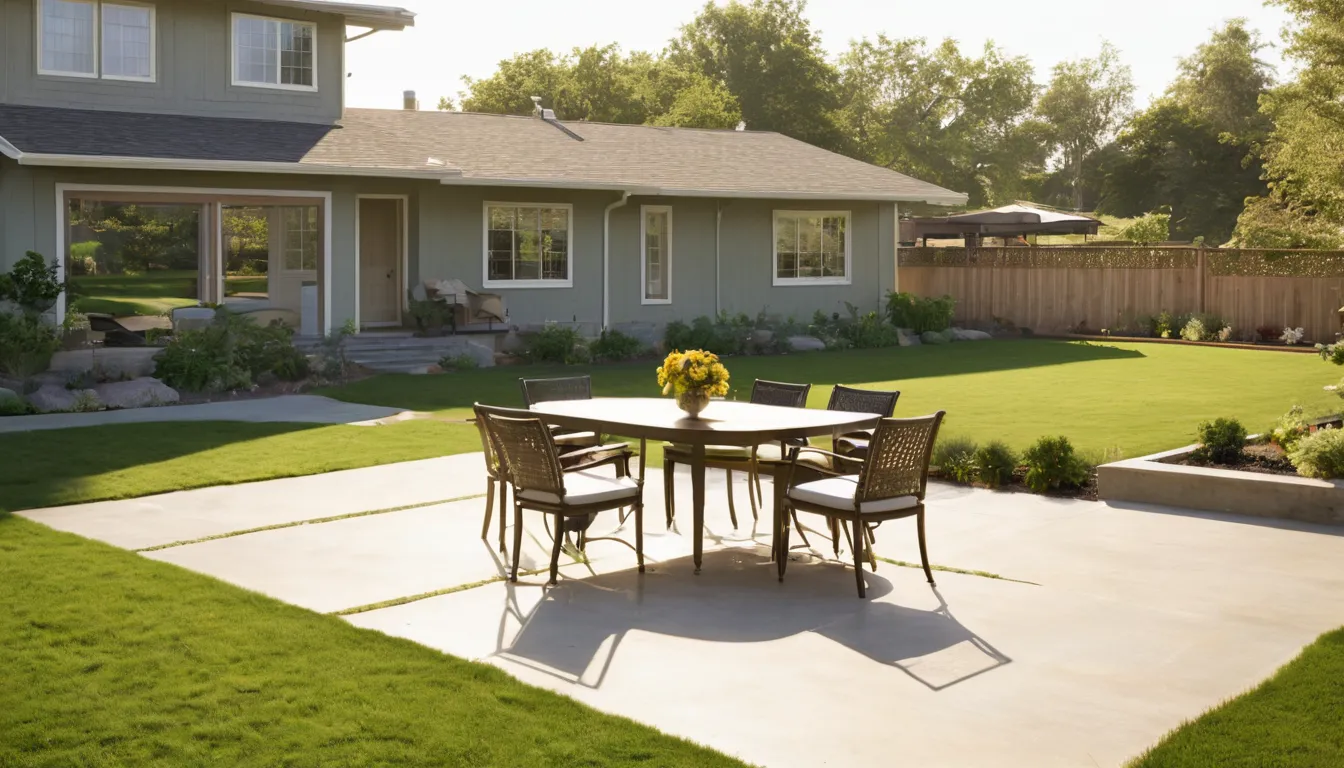
Home Concrete Patios in Cuyahoga Falls
Request an estimate to start
A new patio should add calm to your home, not stress. Sendingcaused Concrete is a referral service. We do not pour concrete. We connect you with independent local providers in our network who build home concrete patios across the Cuyahoga Falls area.
Start with one simple step. Tell us about your yard and how you want to use the space. Maybe you picture a spot for dinners outside, a firepit corner, or a flat area for chairs and a grill. A local provider can visit, measure the space, talk through shape, finish, and drainage, and send a written quote. You can compare quotes at your own pace. You get plain answers first, and there is no pressure to say yes.
Planning a Patio? Take a Breath First
The first hour of a big home project can feel loud. You have questions, photos, and a dozen opinions. Slow down. You only need to do a few small things today.
Write down what you want the patio for. Snap a few photos of the yard. Then request an estimate. That is enough for now.
Watch the Calendar Before Frost
Concrete needs mild weather to cure. Curing means the slab slowly hardens and gains strength. In cold regions, deep frost shuts down the pouring season. Good providers book up in spring and early fall.
If you want a patio this year, ask about timing early. A provider can tell you what is realistic for your area.
Fix Water Problems Before You Pour
Spring flooding and heavy storms can push water toward your house. A patio that slopes the wrong way makes this worse. Water pools near the wall and seeps toward the basement.
A good plan slopes the slab gently away from the home. Many houses here have full basements with sump pumps. A sump pump is a small pump that moves water out of the basement. Keep it in mind when you plan.
Check Your Foundation First
Look at the wall where the patio will sit. See any wide cracks, gaps, or doors that stick? Those can be signs of a foundation problem. If you spot them, foundation repair experts should look first. Pour new concrete after the wall is sound.
What an Old Slab Tells You
An old patio can teach you a lot. Cracks, sinking, and puddles show what went wrong. Maybe the base was weak. Maybe the slope was off.
Share these clues with the provider. They help avoid the same mistakes. Small flaws can sometimes be fixed. If the whole slab has failed, a new pour may make more sense. Ask for both options in writing.
Why Homeowners Pick Concrete
Concrete is tough and flat. It handles tables, grills, and chairs with ease. It does not need paint or stain every year.
It also suits older homes. Bungalows and ranch houses look good with a clean, simple slab. You can shape it into almost any outline.
What a Patio Project Includes
Most jobs follow the same path:
- Marking the area and measuring the slope
- Removing grass, soil, or an old slab
- Building a gravel base so the slab stays level
- Setting wood or metal forms to hold the shape
- Adding steel bars or mesh for strength
- Pouring, smoothing, and finishing the concrete
- Cutting joints so cracks form in neat lines
- Sealing and cleaning up
This is standard concrete flatwork. Flatwork just means flat slabs like patios, walks, and pads.
Sizing Your Patio
Start with how you live. A small table for two needs less space than a big family cookout. Plan room to push chairs back.
A common rule is about ten by ten feet for a small table. Add more for a grill or a fire pit. Walk the space with tape and chalk. Then stand there for a minute. Does it feel right?
Finish Options in Plain Words
A broom finish has light lines that grip under wet feet. It is simple and safe. Exposed aggregate shows small stones in the surface. Colored concrete adds tone to the whole slab.
Stamped concrete patios use molds to press patterns into soft concrete. They can look like brick, slate, or stone. Cold winters are hard on any surface, so ask how the finish handles frost and salt.
Plan Around Your Life
Busy households need a clear plan. Ask how many days the work will take. Ask where trucks will park. Ask when the yard and gate will be blocked.
Pets and kids need a plan too. Fresh concrete must stay clear for a few days. Pick a window when the family is away or the schedule is light.
Choosing a Local Provider
Get at least two written quotes. A good quote lists the size, thickness, base, finish, and what is included. It also says who handles permits, if your town needs one.
Ask if the provider carries insurance and holds any license your area requires. Check this yourself. Ask how they handle rain delays. Every provider in our network is independent, so details differ.
Questions to Ask Before You Sign
- How thick will the slab be?
- What goes under the concrete?
- How will water drain away from the house?
- Who removes the old material?
- What is the plan for weather delays?
Plain answers matter more than a quick pitch.
Caring for Your New Patio
Keep traffic off the slab for the first few days. Keep heavy loads off for about a week or more, as your provider advises. Wait to seal until they say it is ready.
In winter, use a plastic shovel. Be careful with de-icing salt on a young slab. Sweep it often and reseal as your provider suggests. Quick fixes to small cracks keep them from growing.
When Patio Plans Grow
Some homeowners later add a new driveway or a walkway. You can ask a provider to quote these too. Keep each job clear in writing so you can compare prices fairly.
Your Next Small Step
You do not need every answer today. Start with one step. Request an estimate, and a local provider can take it from there.
What's Included
Site Check and Layout
A provider visits, measures your yard, and marks the patio shape so you can picture it.
Base and Forms Prep
The ground is cleared, a gravel base is set, and forms hold the slab shape.
Pour and Finish
Crews pour the concrete, level it, and add the finish you picked, like broom or stamped.
Joints and Sealing
Cut joints guide cracks into neat lines. A sealer helps protect the surface.
Typical Patio Costs in the U.S.
Prices vary by size, finish, site access, and local rates. These are typical U.S. ranges only. Always ask for a written quote so you can compare the same work side by side.
| Item | Typical range | Notes |
|---|---|---|
| Basic broom-finish patio | $6 – $12 per sq ft | Simple, grippy, and common |
| Stamped or patterned patio | $12 – $22 per sq ft | Pattern and color raise the price |
| Exposed aggregate finish | $8 – $18 per sq ft | Shows small stones in the surface |
| Old slab removal | $2 – $6 per sq ft | Depends on thickness and hauling |
| Gravel base and grading | $1 – $4 per sq ft | Matters for drainage and frost |
| Sealer | $1 – $3 per sq ft | Often reapplied every few years |
How It Works
Share Your Plan
Tell us your address area, patio size ideas, and how you want to use the space.
Get Matched Locally
We connect you with an independent provider in our network who builds patios.
Review Written Quotes
Compare the scope, finish, timing, and price. Ask questions until it feels clear.
Schedule Around Life
Pick a start date that fits your family and the weather.
Why Call Sendingcaused Concrete
Plain Answers First
We explain each step in short words, so you know what to ask.
Local Providers
Independent providers in our network know your climate, frost depth, and soil.
Compare Quotes
Ask for written quotes and compare size, base, finish, and scope side by side.
No Pressure
Request an estimate at your pace. There is no obligation to hire anyone.
Other Services
Need home concrete patios in Cuyahoga Falls?
Planning a new driveway or patio? Request an estimate and a local provider in our network can reach out to talk through your project.
No obligationHome Concrete Patios FAQ
How thick should a concrete patio be?
Most home patios are about four inches thick. Heavy loads, like a hot tub, may need more. In cold climates, a solid gravel base matters as much as thickness. Ask your provider what they recommend.
What time of year works well for pouring a patio?
Mild weather works well, with no hard frost or extreme heat. Spring through early fall is common in cold regions. Providers book early, so ask about timing as soon as you can.
How long before I can use a new concrete patio?
Most people walk on it after a few days. Furniture and heavy items often wait about a week. Full strength takes longer. Your provider will give timing based on weather and mix.
Reach a local provider
Planning a new driveway or patio? Request an estimate and a local provider in our network can reach out to talk through your project.
No obligation